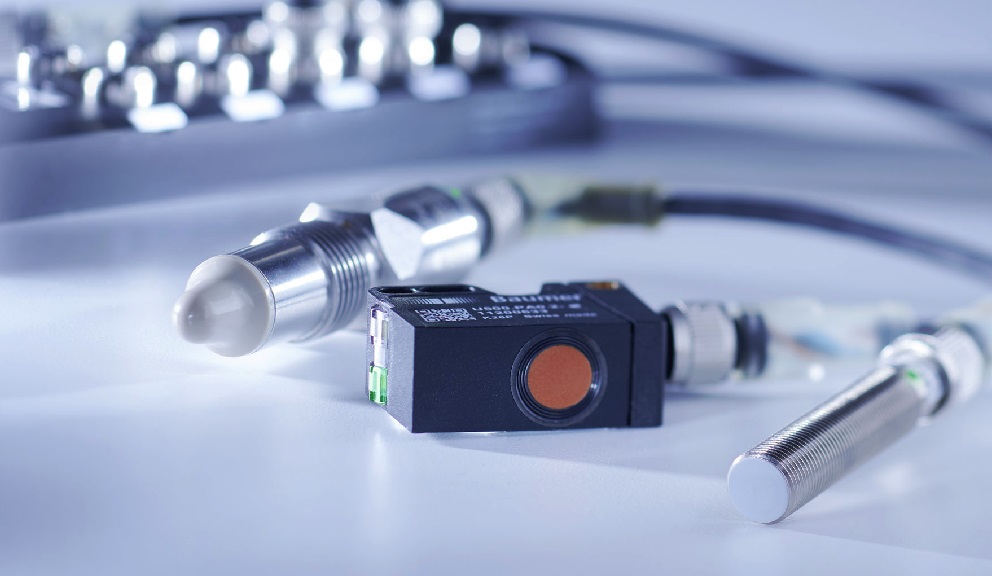
Optical sensors are increasingly becoming vital components in advanced electronic systems. These sensors convert light into electrical signals, allowing machines to detect environmental changes, process information, and support critical monitoring systems. Their importance has grown significantly as industries deploy electronics in environments where reliability and durability are essential.
In sectors such as aerospace, defense, and nuclear energy, electronics often operate under extreme radiation and harsh environmental conditions. Optical sensors integrated within radiation-resistant electronic systems help ensure accurate sensing, communication, and system monitoring even in these challenging environments.
Optical Sensors and the Rise of Space Technologies
The expansion of satellite constellations and deep-space missions has significantly increased the need for durable electronic components. Satellite operators rely on technologies that can withstand continuous radiation exposure while maintaining stable communication and sensing capabilities.
Optical sensors play a key role in satellite imaging, navigation, and optical communication systems. These sensors allow satellites to detect signals, capture images, and support high-speed data transmission across space networks. As satellite fleets grow larger and missions extend further beyond Earth’s atmosphere, the requirement for reliable sensing technologies continues to increase.
Deep-space missions create even more demanding conditions. Electronics deployed beyond Earth’s protective atmosphere must function despite higher radiation levels and extreme environmental stress. Optical sensors integrated into radiation-hardened electronics help maintain accurate system performance over long operational periods.
Increasing Importance in Nuclear Infrastructure
Another important driver for optical sensor adoption is the expansion of nuclear energy projects. Several countries in Asia and the Middle East are investing in new nuclear reactors, which require highly reliable electronic systems to monitor operational conditions.
Optical sensors are frequently used in monitoring and control systems within nuclear facilities. These sensors help measure environmental parameters and support safety mechanisms that ensure stable reactor operation. Since nuclear reactors operate under high radiation levels for extended periods, the sensors used in these systems must maintain precision and durability over long lifespans.
Radiation-resistant electronics, including sensors, processors, and control modules, are therefore essential for ensuring safe and consistent nuclear operations.
Key Industries Using Optical Sensors
Optical sensing technologies are widely used across several industries that require dependable electronic systems. The ability of these sensors to perform reliably in extreme environments makes them particularly valuable for mission-critical applications.
| Industry | Application | Operational Benefit |
| Space Systems | Satellite imaging and comm unication |
Reliable sensing in orbit |
| Aerospace and Defense | Environmental and optical mon itoring |
Improved operational safety |
| Nuclear Power | Reactor monitoring systems | Radiation-resistant sensing |
| Research Facilities | Particle accelerator measurement | High-precision monitoring |
These sectors rely on advanced electronics capable of functioning despite radiation exposure, temperature extremes, and demanding operating conditions.
Competitive Landscape
The development of high-reliability electronic components, including optical sensors, involves both aerospace specialists and global semiconductor manufacturers. These organizations invest heavily in research and engineering to produce components capable of operating in harsh environments.
Major companies supplying technologies for radiation-resistant electronic systems include Honeywell International Inc., BAE Systems plc, CAES (Cobham Advanced Electronic Solutions), Texas Instruments Inc., and STMicroelectronics N.V..
These companies leverage extensive engineering expertise and long qualification processes to deliver electronics capable of supporting space missions, defense systems, and nuclear infrastructure.
Next Move Strategy Consulting’s Perspective
Organizations working with Optical Sensors Market should align innovation strategies with the evolving needs of high-reliability industries. Growth opportunities are closely linked to developments in space exploration, nuclear infrastructure, and advanced aerospace systems.
Companies can strengthen their position by focusing on radiation-resistant sensor technologies, forming partnerships with satellite manufacturers, and expanding their presence in rapidly growing Asia-Pacific markets. Integrating sensing technologies with processors and control electronics can also create more comprehensive solutions for customers in mission-critical sectors.
Final Thoughts
Optical sensors are playing an increasingly important role in modern electronics designed for extreme environments. Their ability to convert light signals into reliable electronic data makes them essential for systems operating in space, nuclear facilities, and advanced aerospace platforms.
As investments in satellite networks, nuclear power projects, and defense technologies continue to expand, optical sensing technologies will remain central to the development of reliable and high-performance electronic systems.
About the Author
Sugata Kar is a content writer specializing in transformation-focused, insight-driven narratives. She creates research-backed content aligned with evolving business priorities, digital trends, and audience needs. Her work helps organizations communicate clear value propositions, strengthen visibility, and convey strategic intent effectively. With a data-informed storytelling approach, she prioritizes clarity, relevance, consistency, and measurable digital impact across platforms.